
Sustainability: An Ongoing Transformation
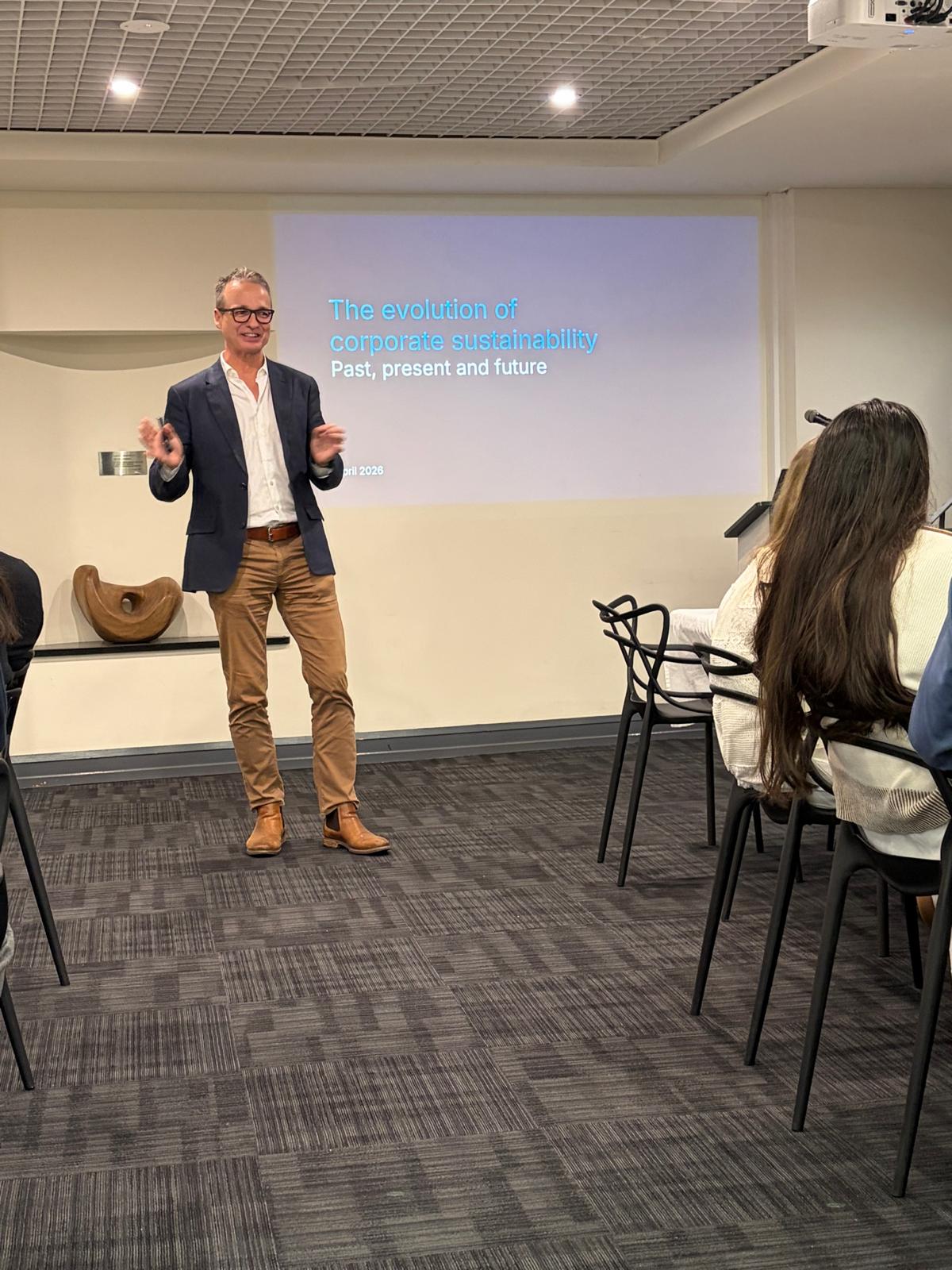
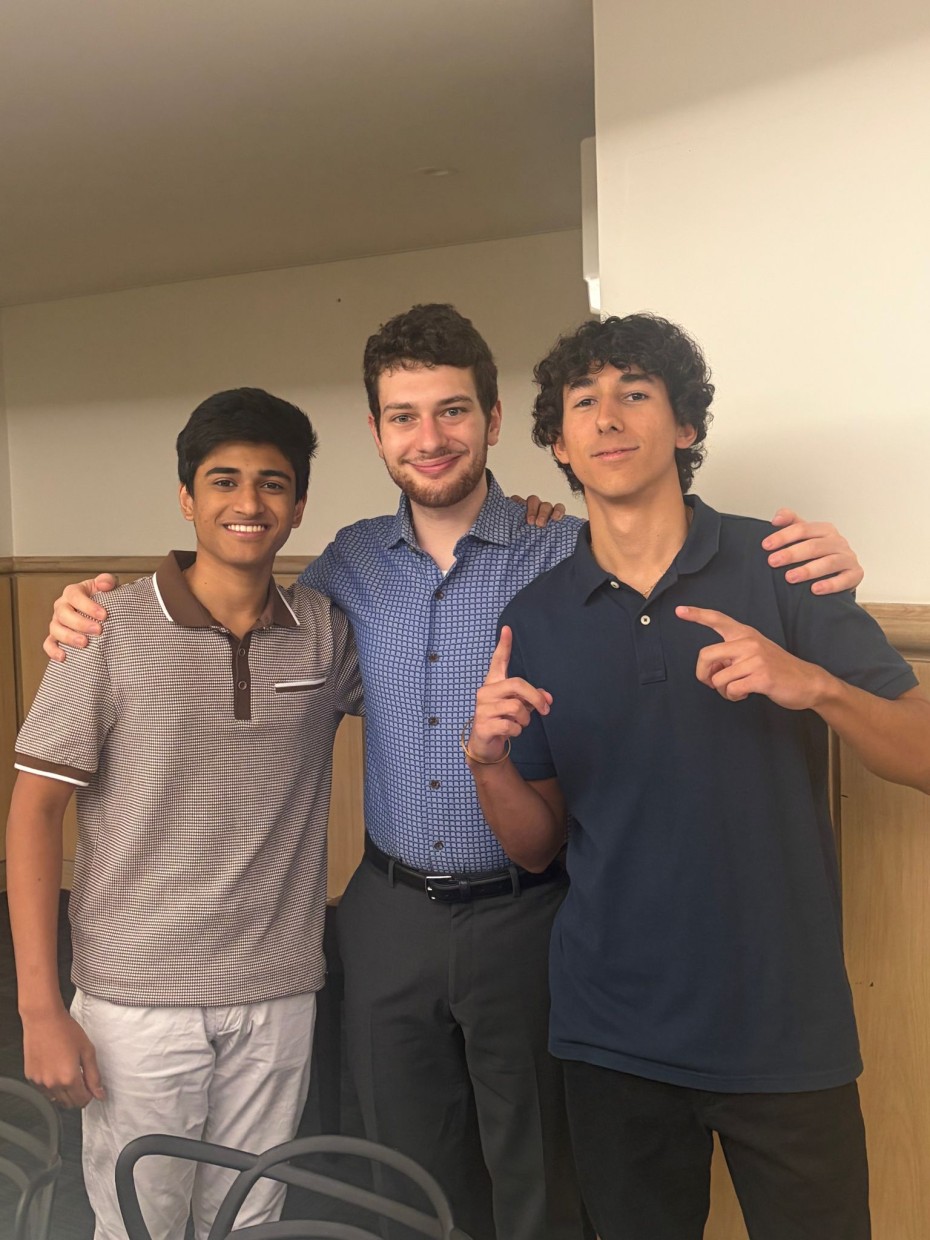
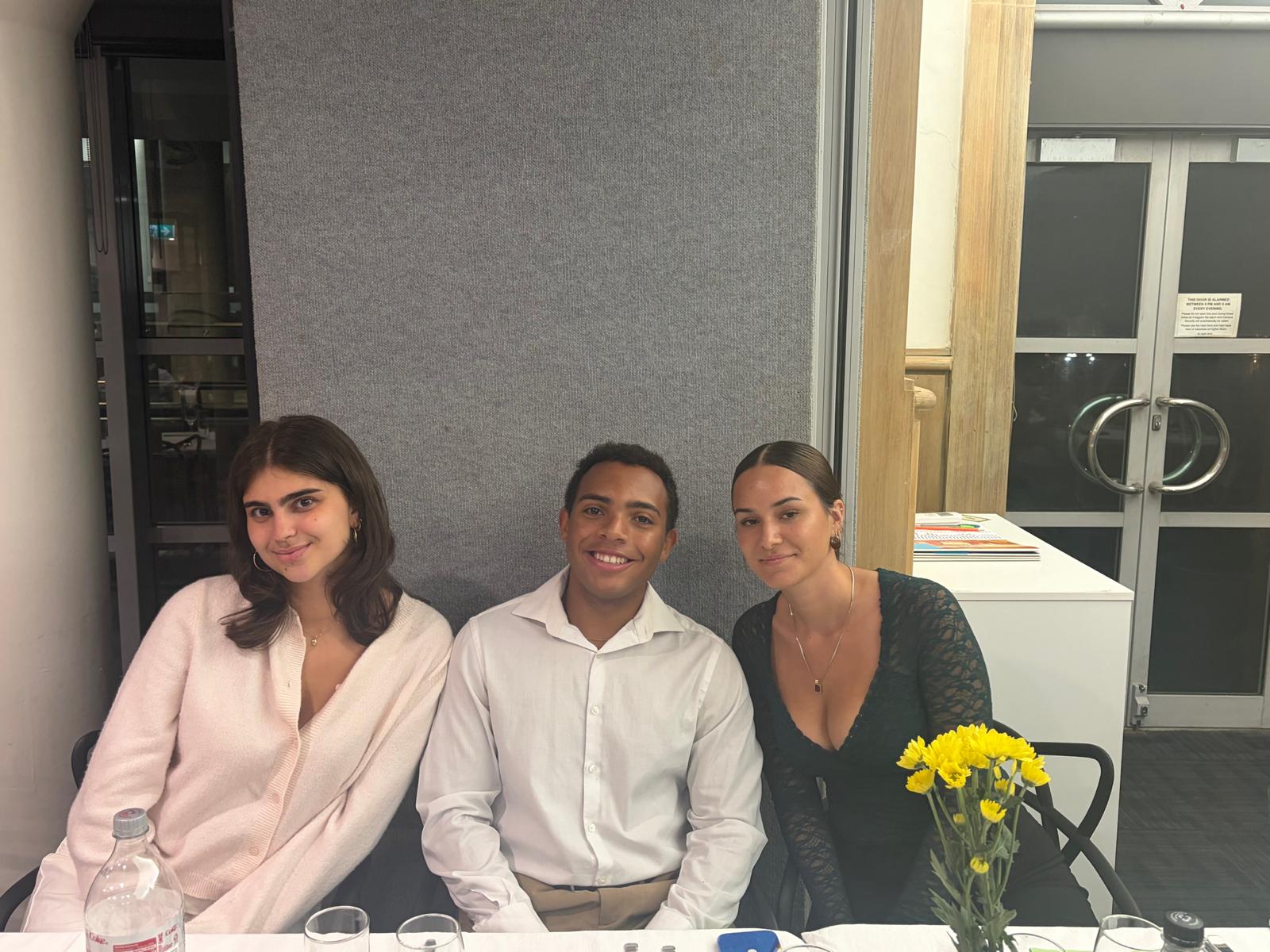
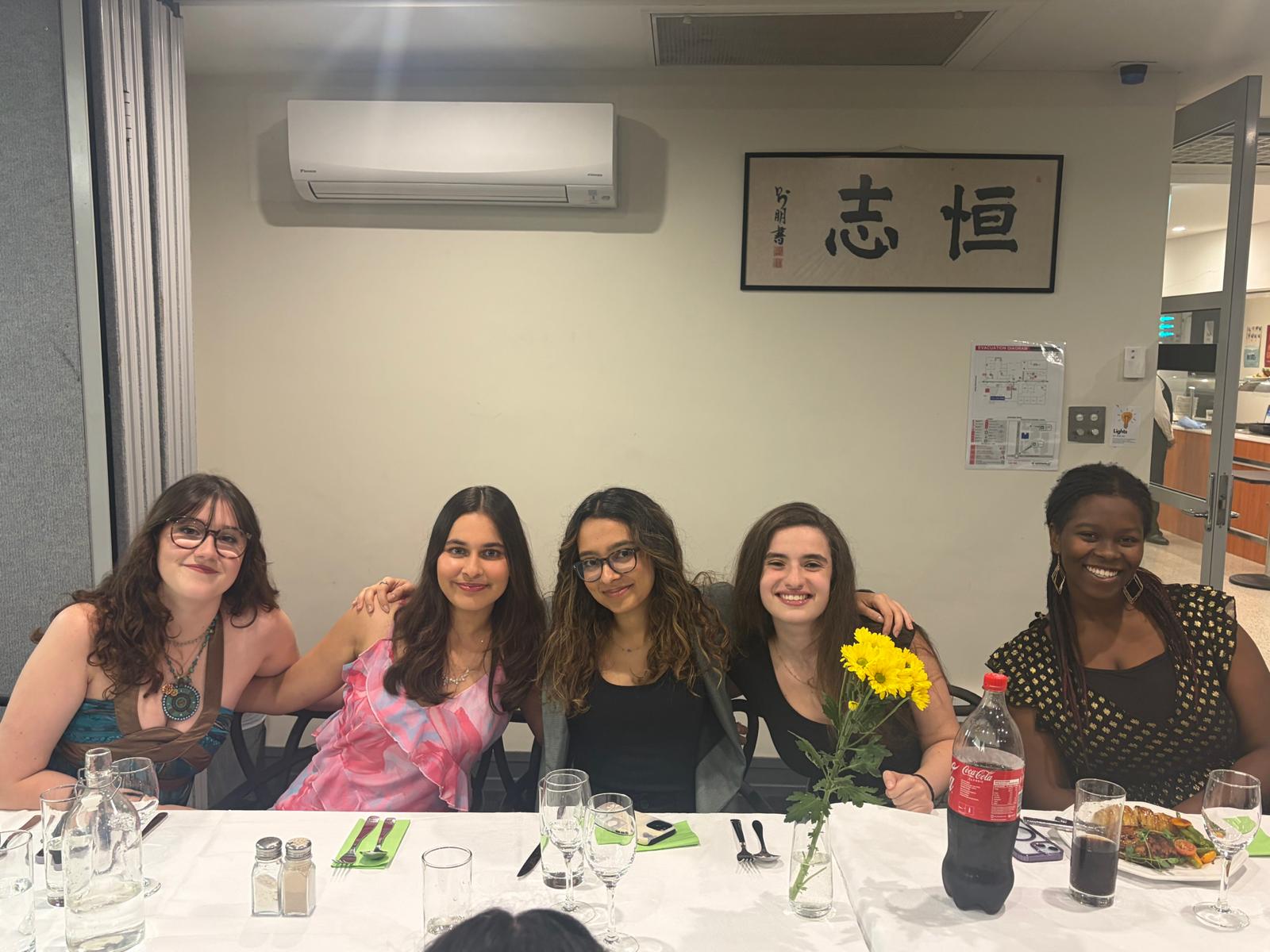
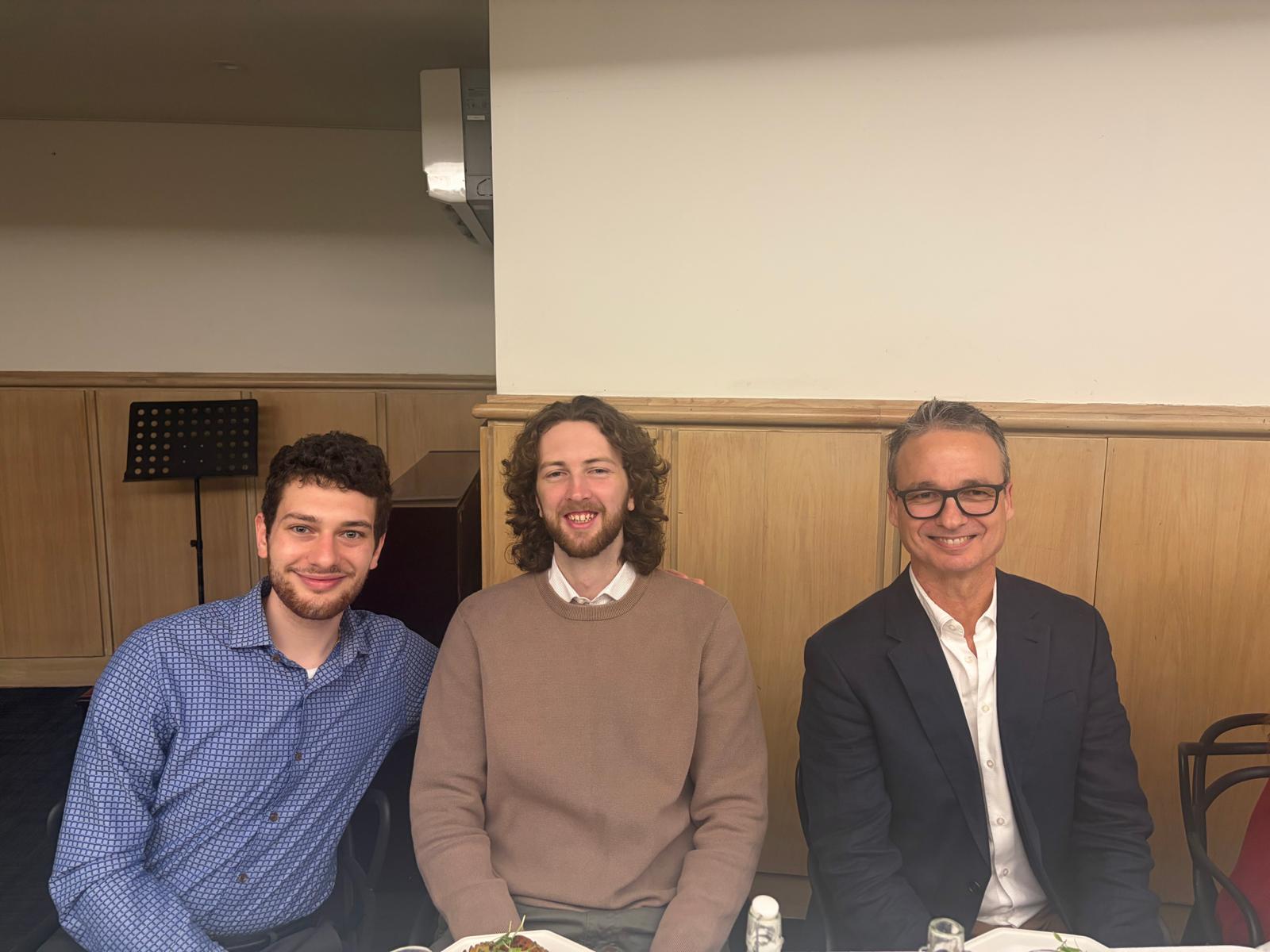
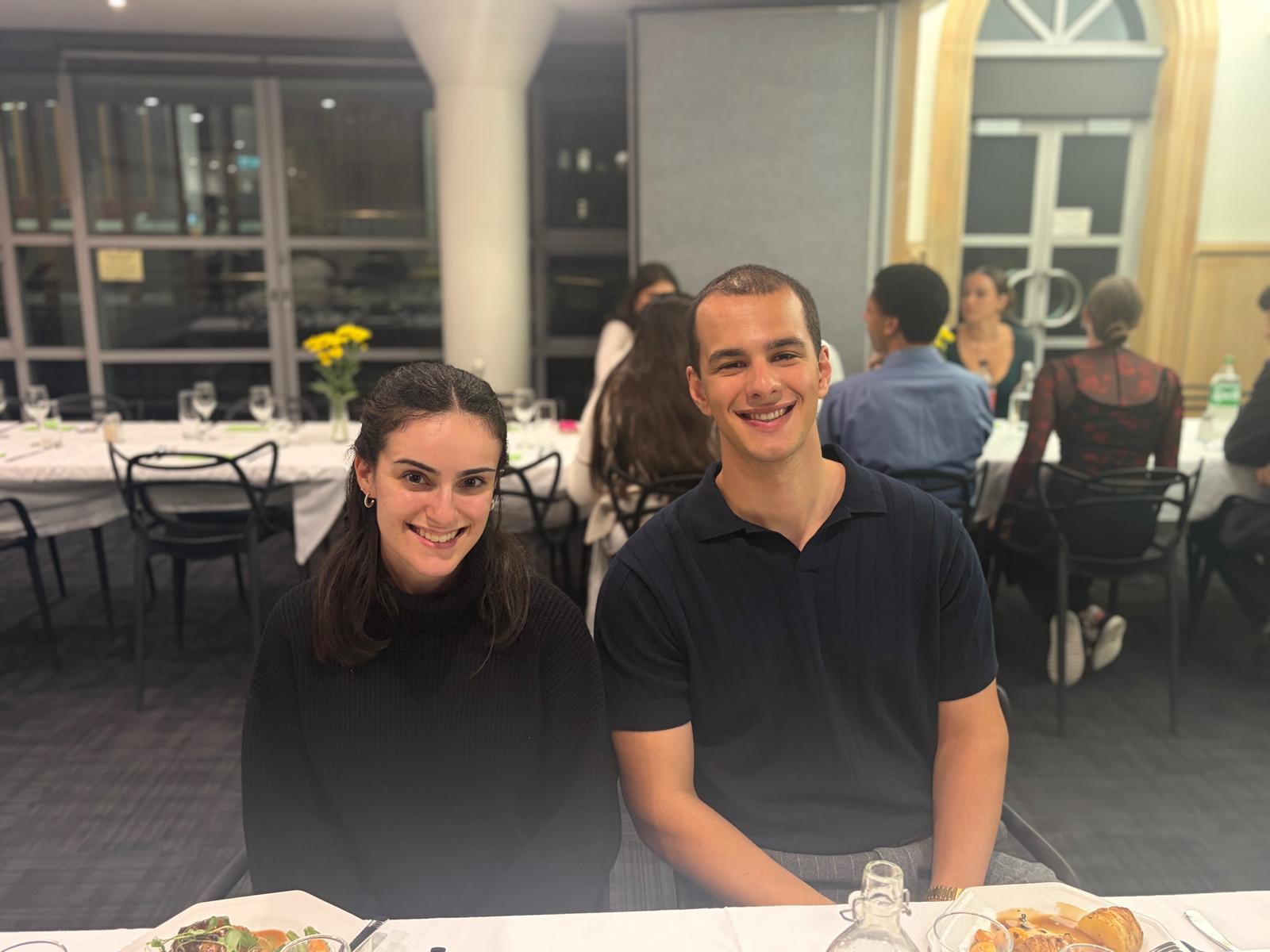
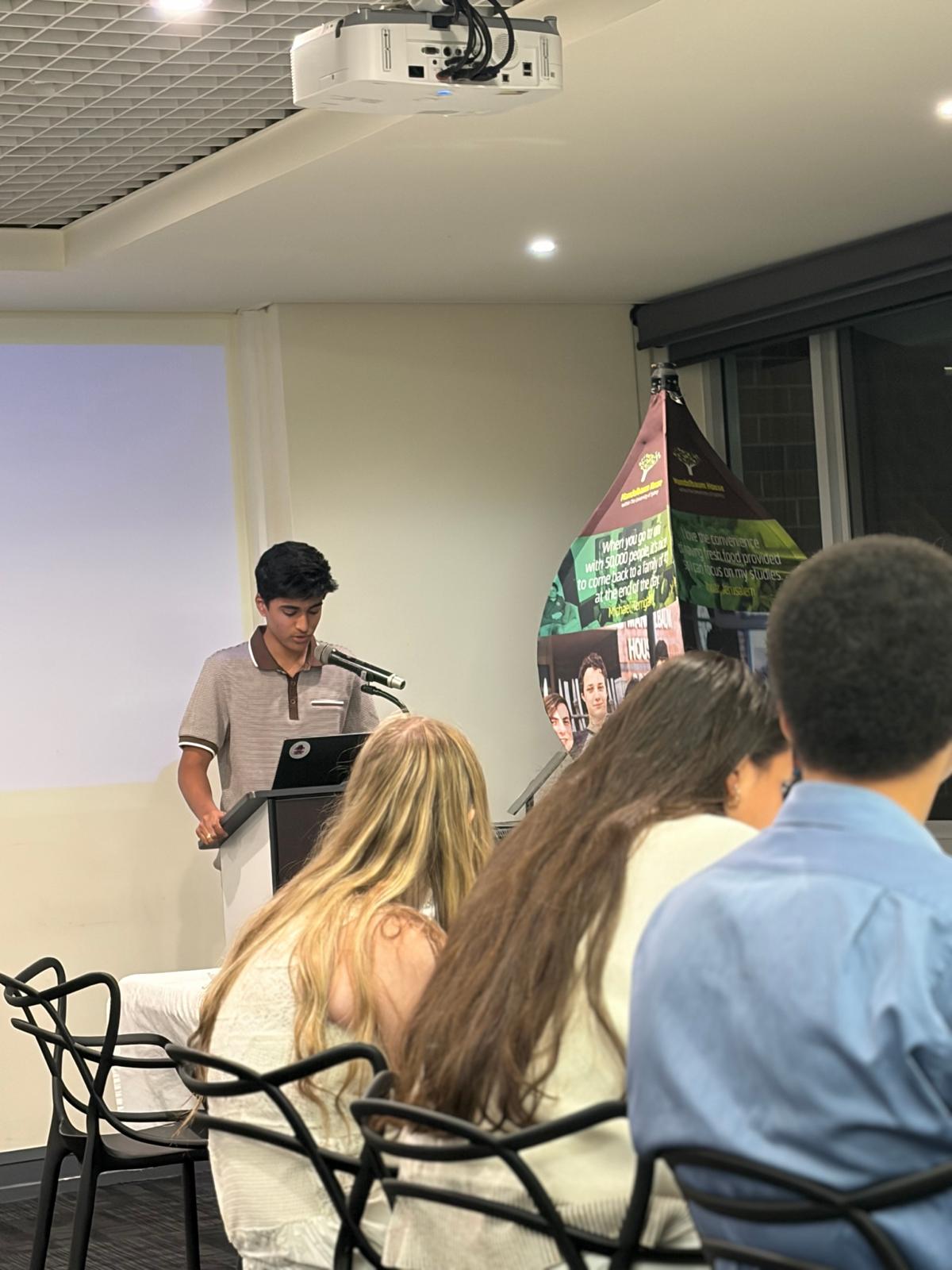
At our recent formal dinner at Mandelbaum House, we had the privilege of welcoming Mr Craig Wilson, General Manager of Sustainability at Snowy Hydro. Snowy Hydro operates in electricity generation, renewable energy procurement, wholesale price risk management, and retail energy through brands including Snowy Energy, Red Energy, and Lumo Energy. Holding an MBA and a degree in International Business, Craig has built his career across strategy, transformation, commercial, regulatory, debt raising, and sustainability roles in the electricity, rail, ports and defence sectors.
In his presentation, Craig discussed how sustainability has evolved into one of the fastest-growing and most influential areas in modern business. He began by reflecting on how perceptions of sustainability and climate issues have changed compared to decades ago. At that time, corporate sustainability initiatives were not positioned at the centre of management as they are today, but were often treated as relatively small-scale public relations activities. Today, however, sustainability has become a central element of corporate strategy, financial disclosure, and risk management, and is now involved in nearly every aspect of organisational operations.
Craig also emphasised that the pace of this change is accelerating year by year. The range of topics companies are required to address continues to expand, and reporting expectations, both voluntary and mandatory, are becoming increasingly rigorous. New frameworks and disclosure requirements are emerging one after another, and expectations for transparency and accountability continue to rise. What was once the domain of a limited number of departments within an organisation has now evolved into an organisation-wide responsibility, subject to the scrutiny of regulators, investors, and society as a whole. For organisations like Snowy Hydro, which is at the centre of Australia’s energy transition, responding to this change presents both a significant challenge and a critical opportunity.
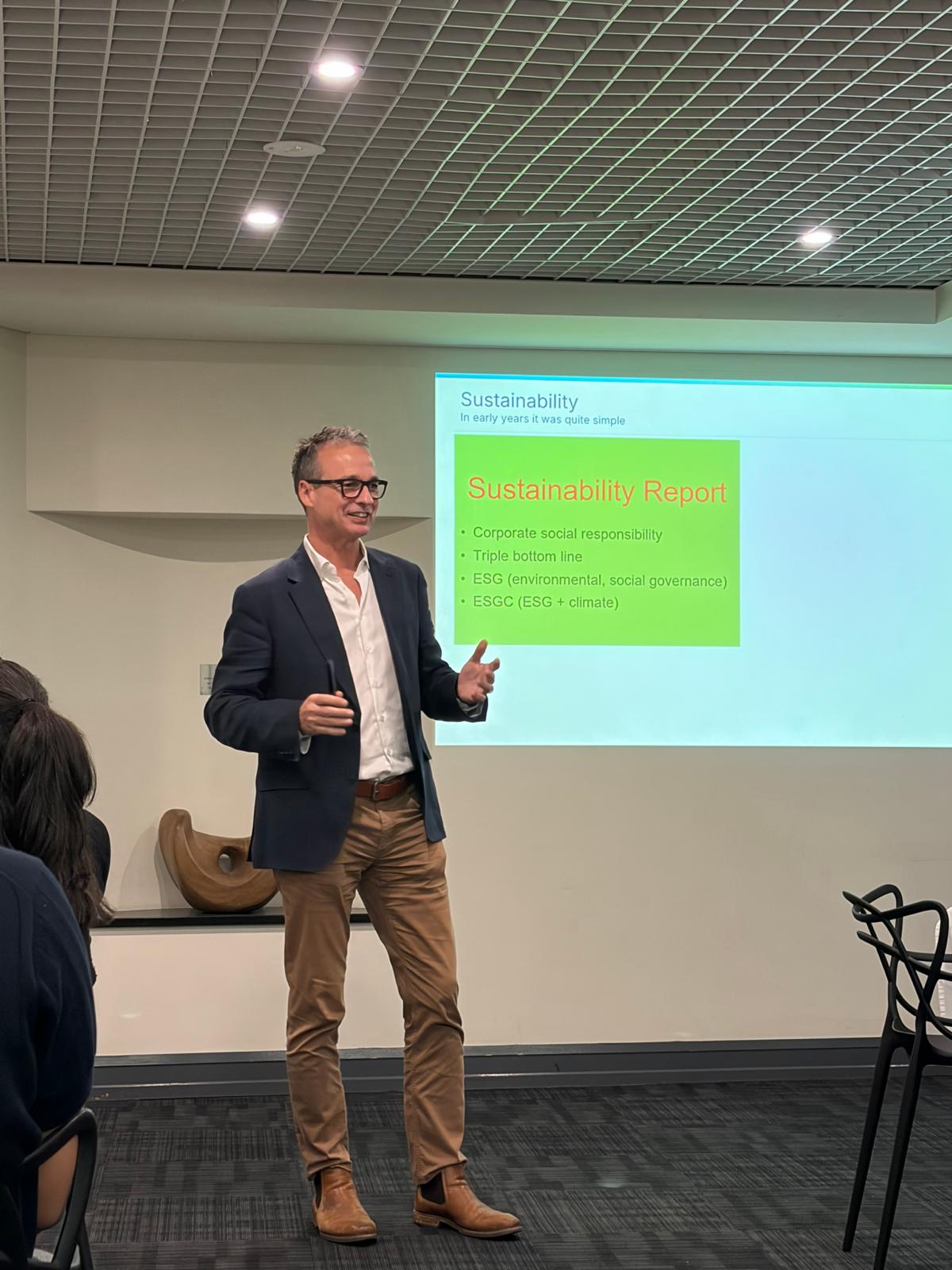
Furthermore, Craig noted that sustainability is no longer limited to carbon emissions alone. Today, it is necessary to view a broader range of interconnected themes, including environmental, social, governance, and climate-related issues, as an integrated whole. Companies are expected to consider the impact of their business activities on the natural environment and local communities from a longer-term perspective, and topics that were once considered peripheral are becoming central to corporate discussions and reporting.
Particularly striking in the talk was the message directed at us as students. Craig highlighted that sustainability remains a rapidly evolving field, offering significant opportunities for those who engage with new challenges at an early stage. Topics that may currently appear specialised could become core issues within a few years. He emphasised that students from any field, whether business, science, law, engineering, or the humanities, have the potential to contribute meaningfully to the future of sustainability and energy transformation.
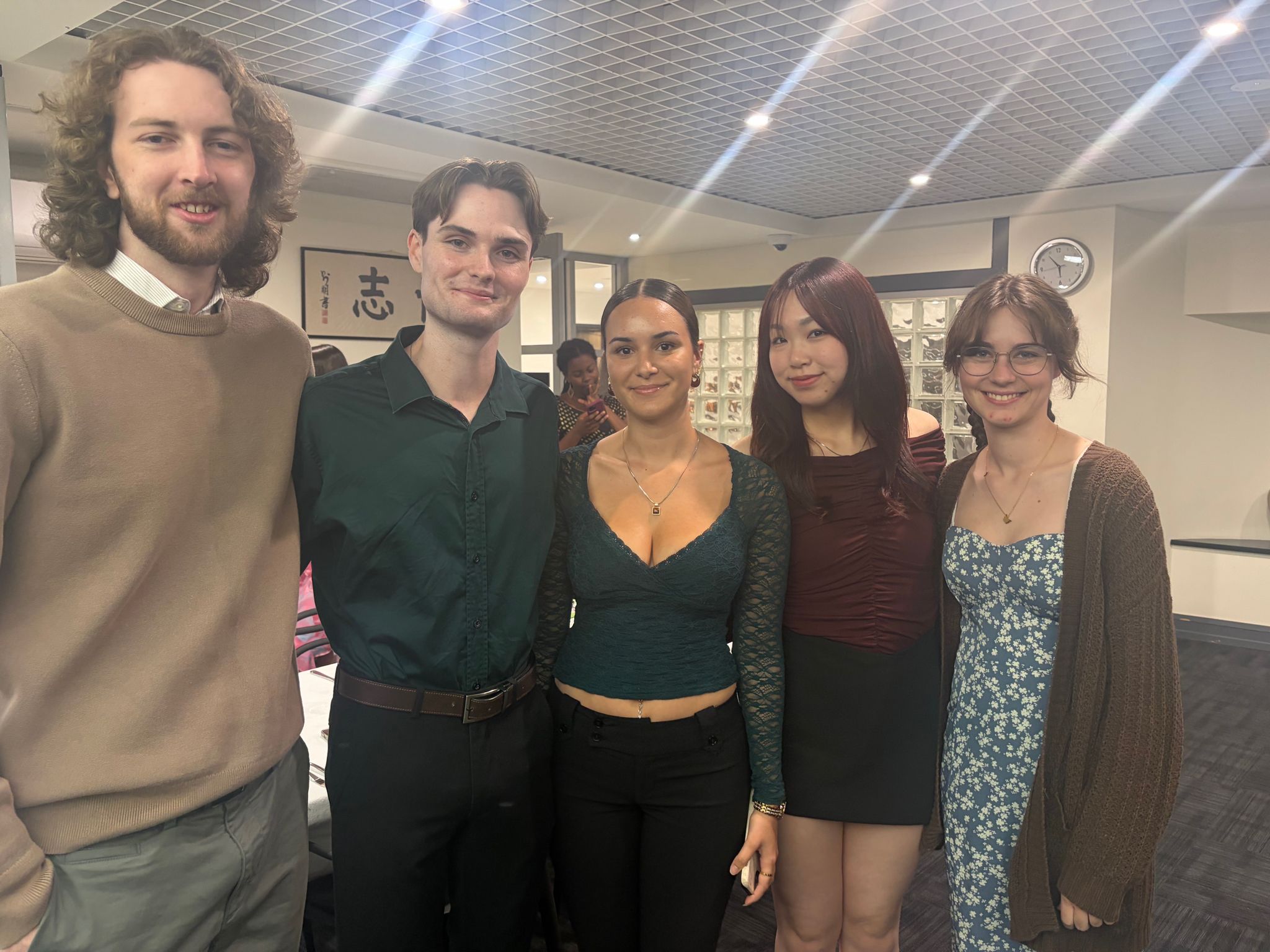
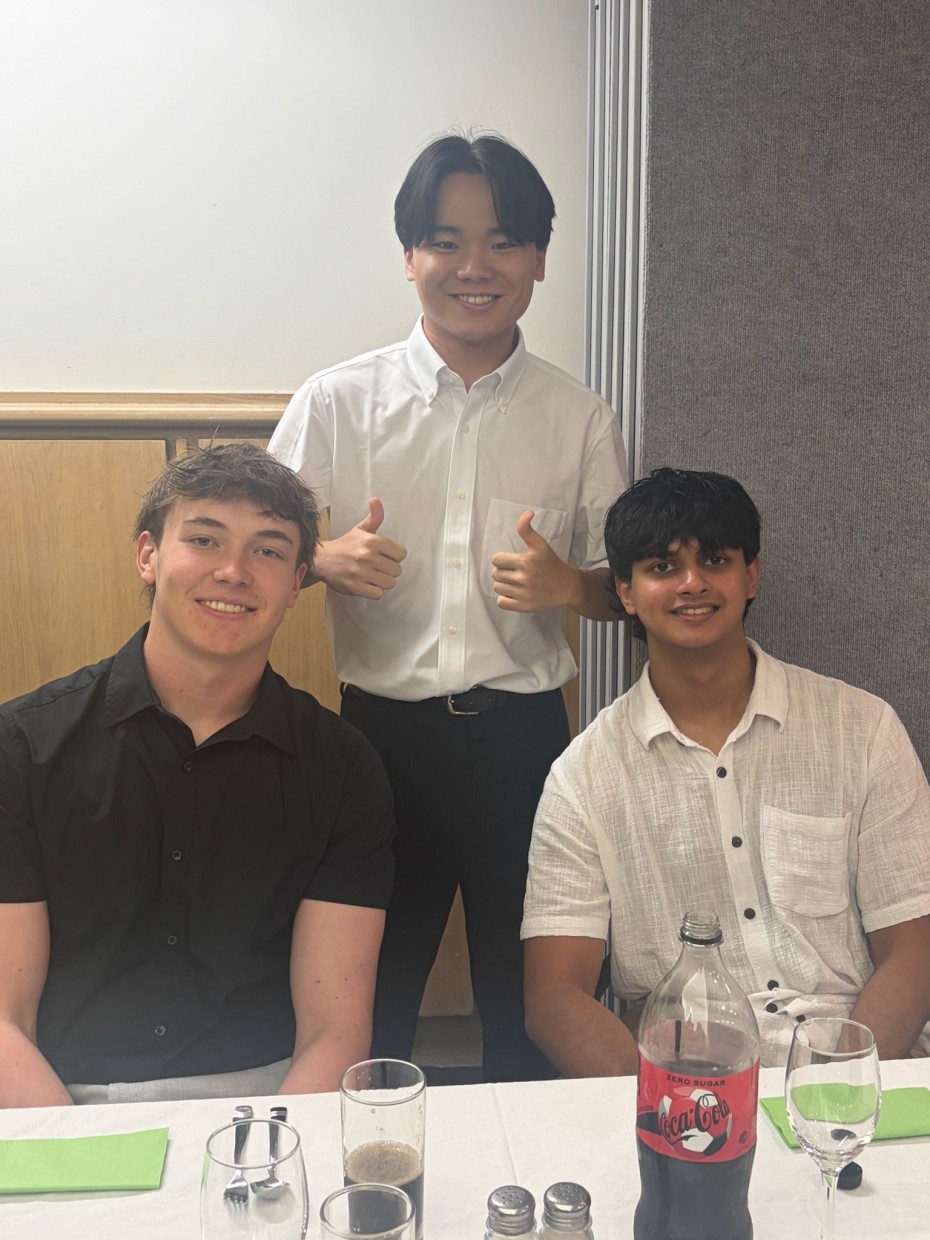
The dinner with Craig offered a highly insightful and energising perspective on how sustainability continues to evolve alongside business and society. Even after the formal dinner concluded, many residents were left with plenty to reflect on.
Article: Rin Kawakami (resident)
Photos: Betsy Ryan (resident)