Seen, Supported, Empowered
My name is Logan Culley, I’m a proud Darkinjung man from Wollombi, and I’m in my third year of Animal and Veterinary Bioscience with career aspirations in livestock veterinary care.
I joined Mandelbaum House in Semester 1 of 2024 and became the Indigenous Resident Representative in that same semester. Since then, the role has evolved into the Indigenous Resident Mentor and Representative and has contributed significantly to the Mandelbaum House community – from initiating Yarn Day to integrating the Shalom Gamarada program to reaching a record nine Indigenous students in Mandelbaum’s 30 years.
This role has opened so many doors and opportunities for me that it is hard to keep track of them all. The support shown by the Mandelbaum staff, residents, and Board has genuinely demonstrated that reconciliation is not only possible but can be actively lived and fostered within a community.
With National Sorry Day recently observed and National Reconciliation Week now beginning, I’ve spent a lot of time reflecting on these experiences and on the importance of creating spaces where Aboriginal and Torres Strait Islander people feel seen, supported, and empowered.
One of the first steps towards even beginning to breathe life into reconciliation is making First Nations people feel truly seen – moving beyond tokenism and embracing Mob as valued and respected members of the community. This is precisely what the Mandelbaum House community has done.
Roles such as the one I currently serve in create opportunities to educate non-Indigenous residents while fostering an environment grounded in shared learning, cultural safety, and mutual respect. There is such a warm feeling – almost one of relief – when residents approach me with questions out of genuine curiosity and a sincere desire to understand the why, how, and what behind Aboriginal experiences, histories, and perspectives. Countless residents have come to me with questions about assignments, lecture content, current affairs, or simply wanting to learn more. They are not only seeking objective, informative answers but also my personal perspective as an Aboriginal person whose experiences and views are uniquely my own. Every one of these conversations has been thoughtful, productive, and meaningful – and almost always much longer than expected, usually lasting one or two cups of tea. These conversations are never driven by obligation or performative interest, but by a genuine desire to grow, reflect, and better understand how to engage respectfully with Aboriginal and Torres Strait Islander peoples and communities. The eye contact, thoughtful follow-up questions, emotional investment, and, at times, even tears are what truly make me feel seen. It is difficult to put into words what that feeling means to me.
That is what reconciliation looks like in practice: people coming together with openness, respect, and a willingness to listen and learn from one another. It is found in conversations, in community, and in the everyday actions that make people feel welcomed, valued, and heard.
Another key factor in promoting reconciliation with a lasting impact is ensuring that Indigenous people are supported across all facets of their identity. I intentionally say “identity” rather than simply “life” because Aboriginal and Torres Strait Islander people often navigate deeply layered and complex identities. These identities are shaped by both colonial and contemporary histories, by traditional cultural values alongside Western systems and expectations, and by the constant balancing of two worlds – colonial and decolonial ways of being, knowing, and living. Supporting these complexities is not always easy, but it is possible when communities lead with genuine care, respect, and understanding. Mandelbaum House has demonstrated this time and time again.
When I first began envisioning Yarn Day, it was Shana Kerlander who sat down with me and worked through the event’s logistics, helping me refine the idea into something clear and achievable. In the lead-up to each Yarn Day every semester, it is Shana and Naomi Winton who continue to meet with me to discuss budgets and planning, but who also take the time to ensure the event reflects what I actually want to facilitate, while actively prioritising my workload, wellbeing, and capacity.
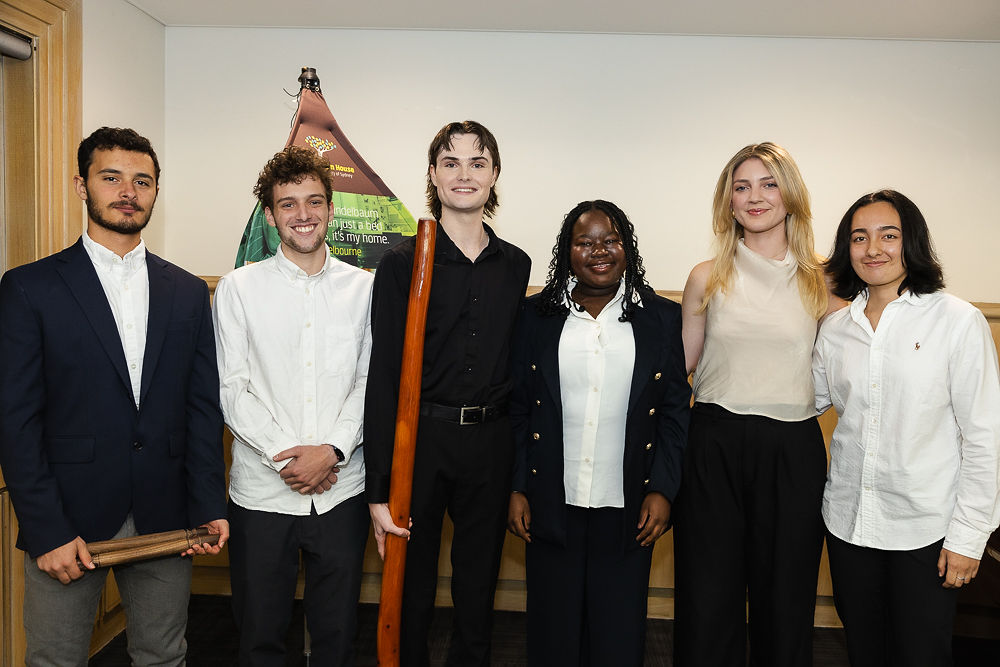
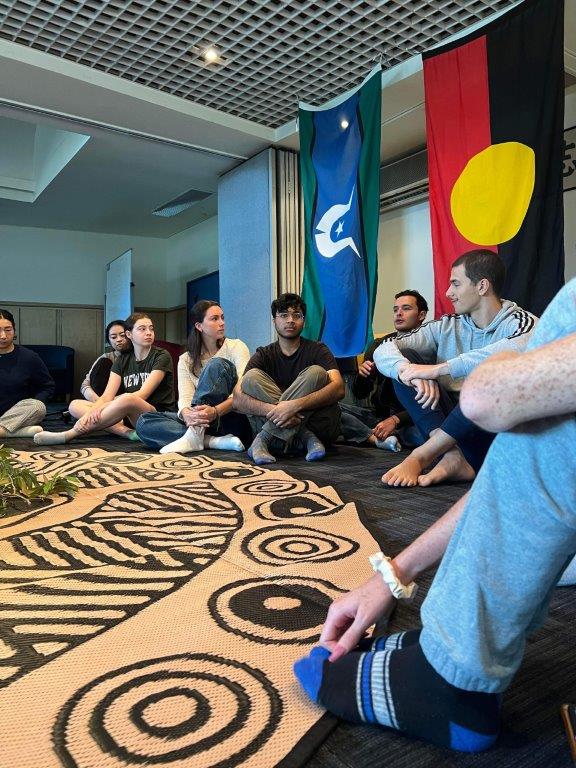
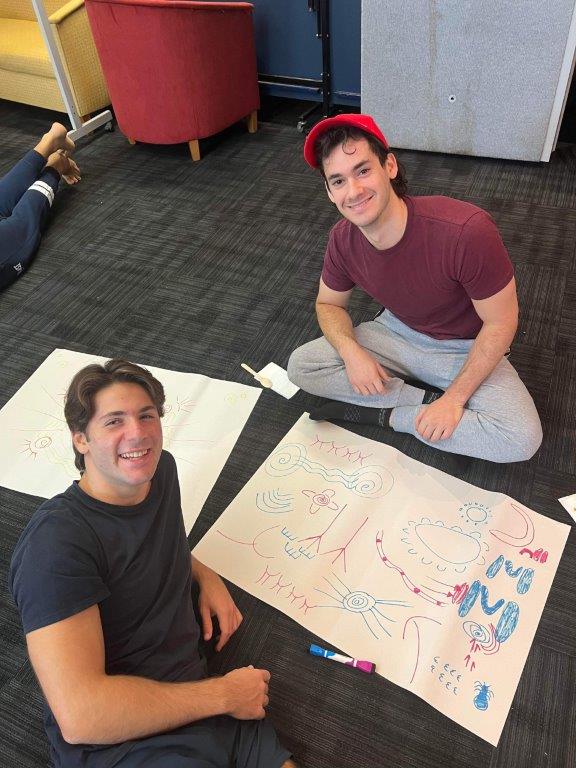
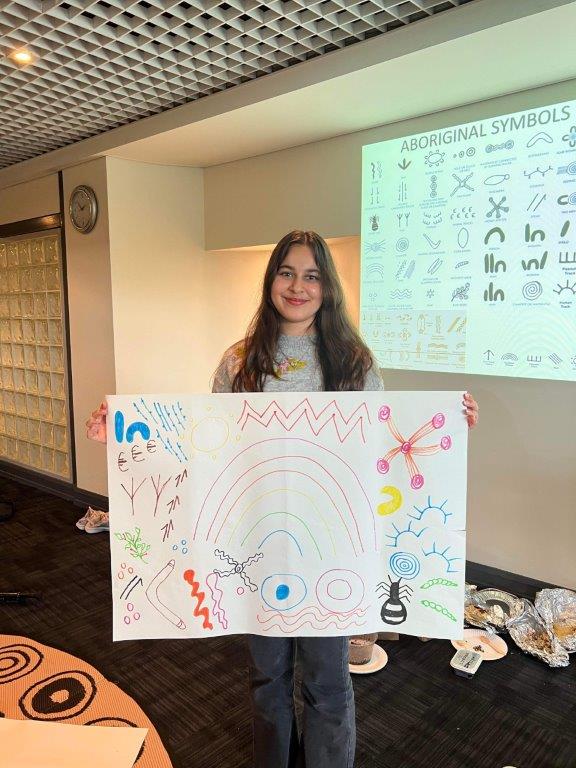
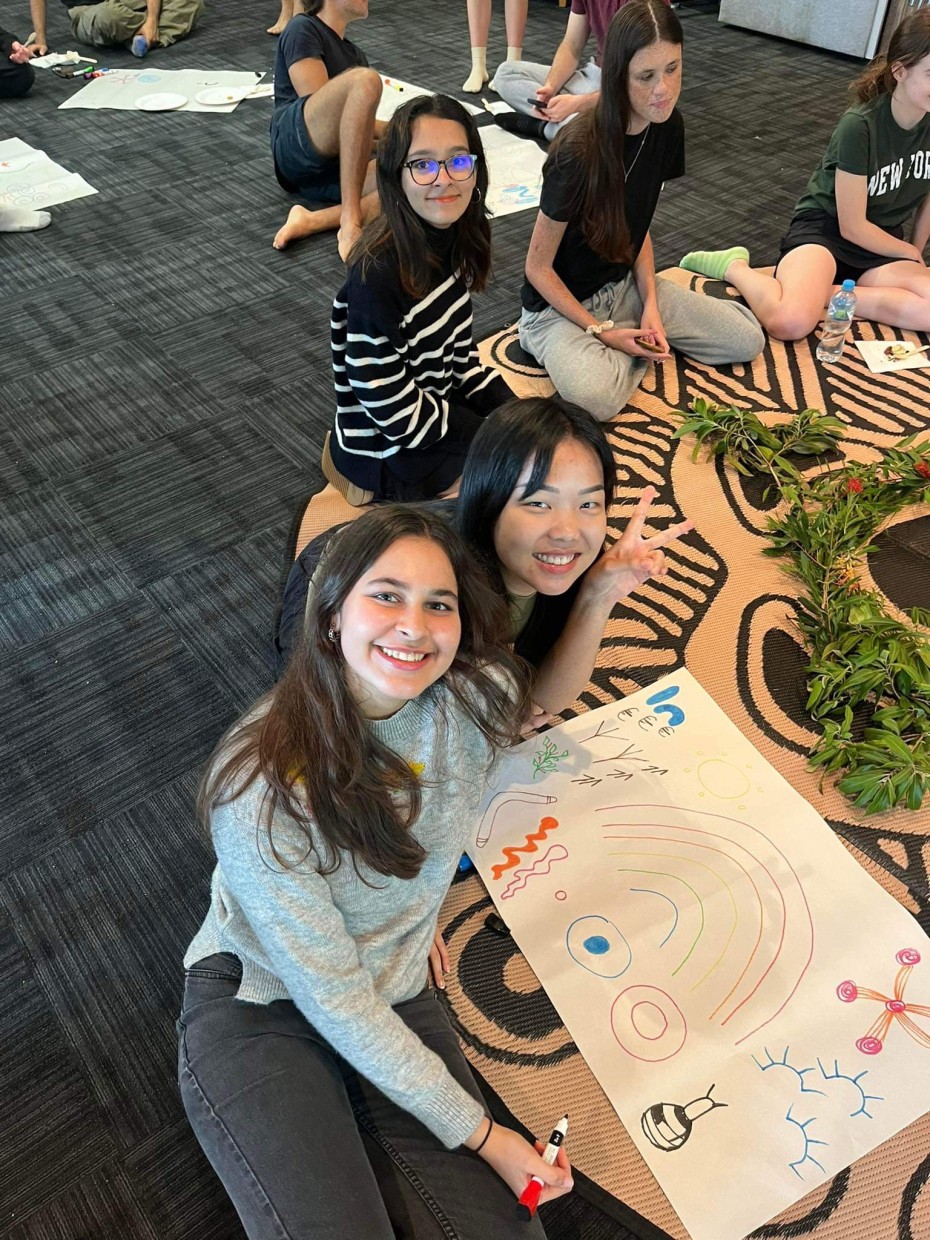
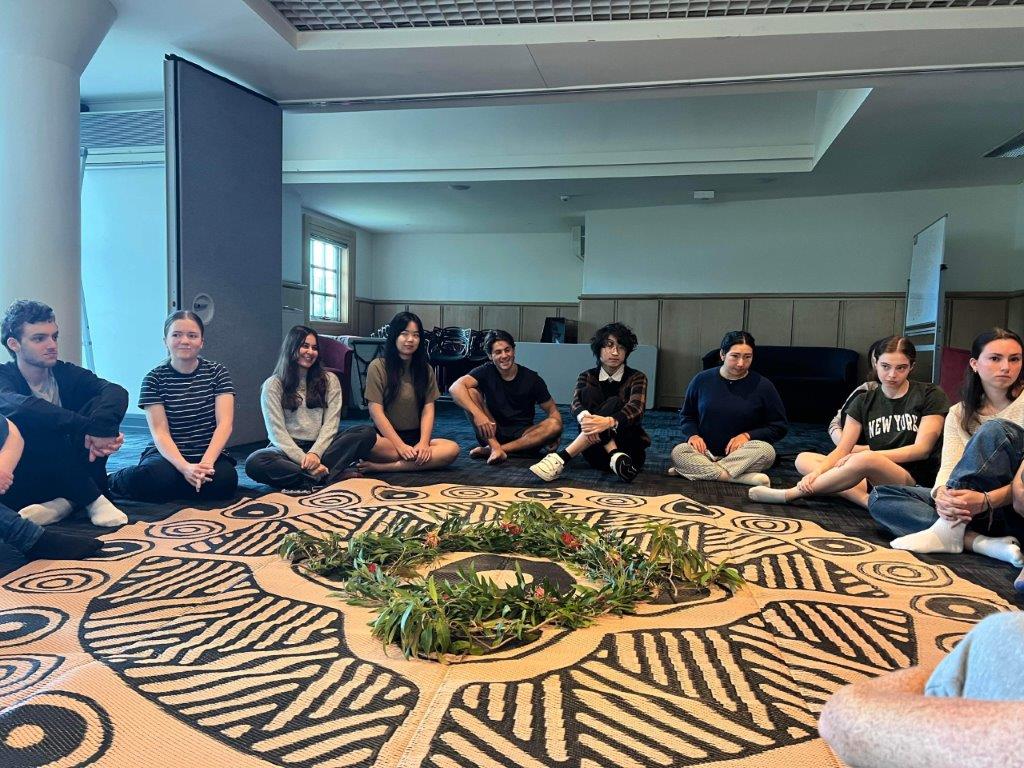
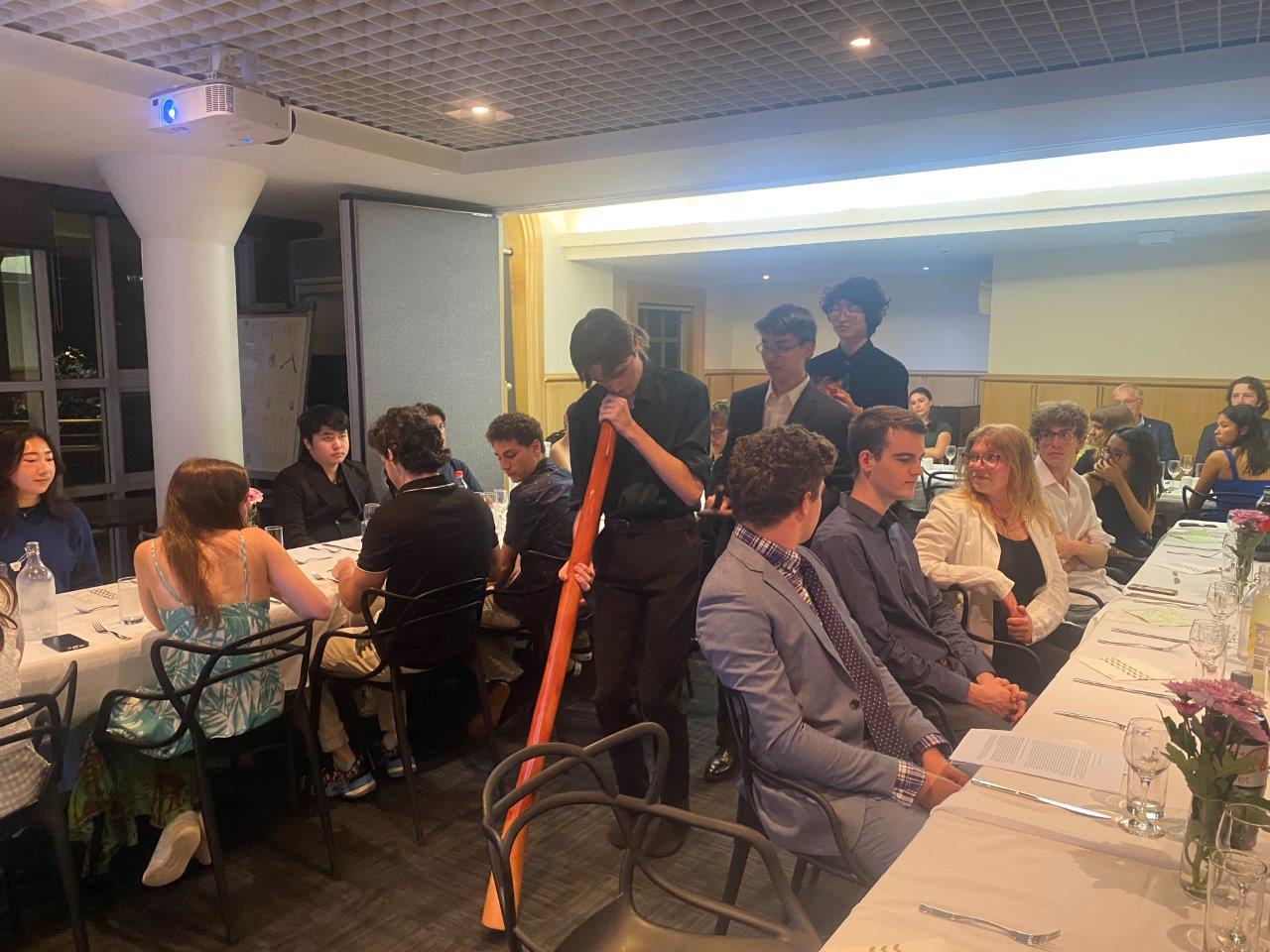
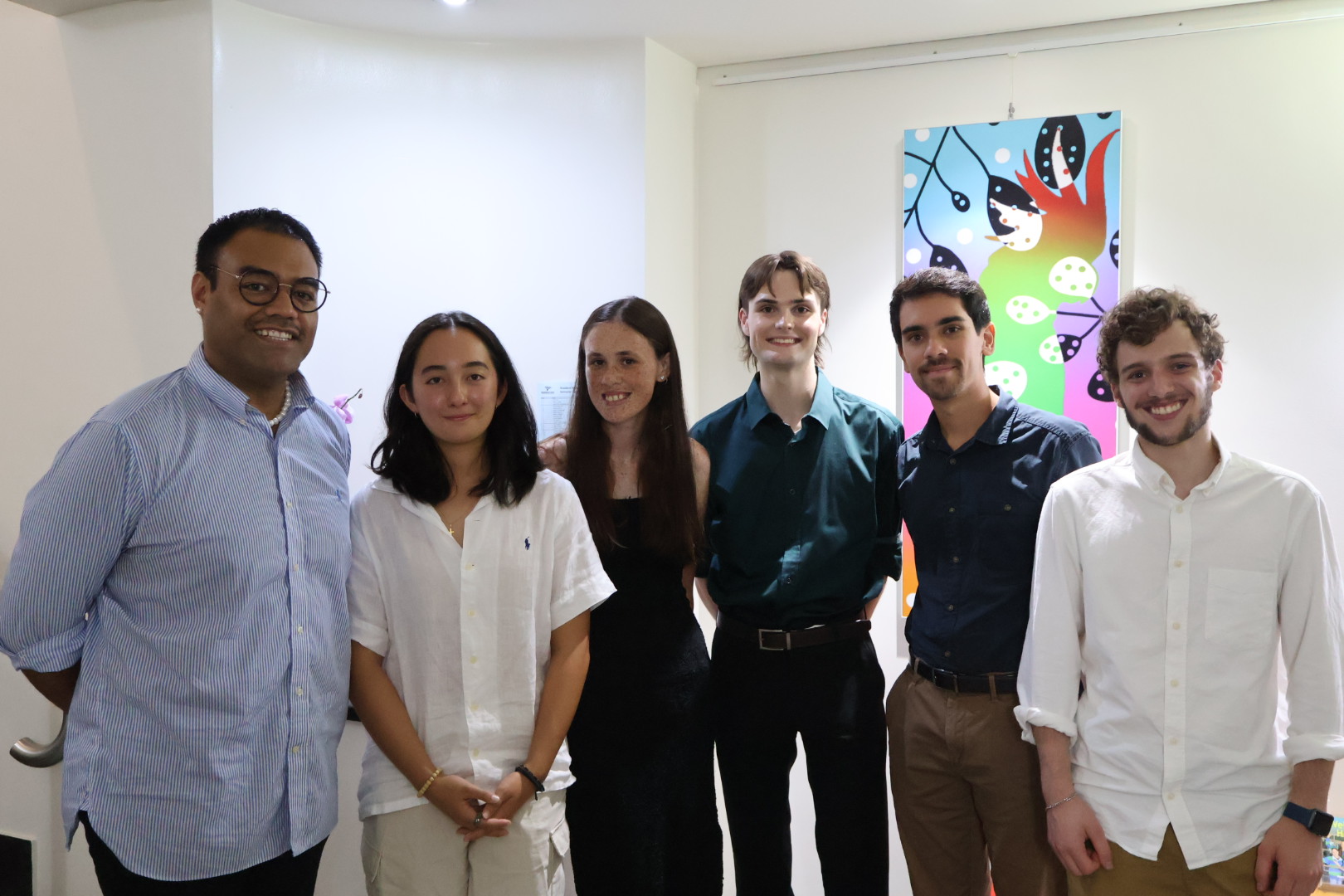
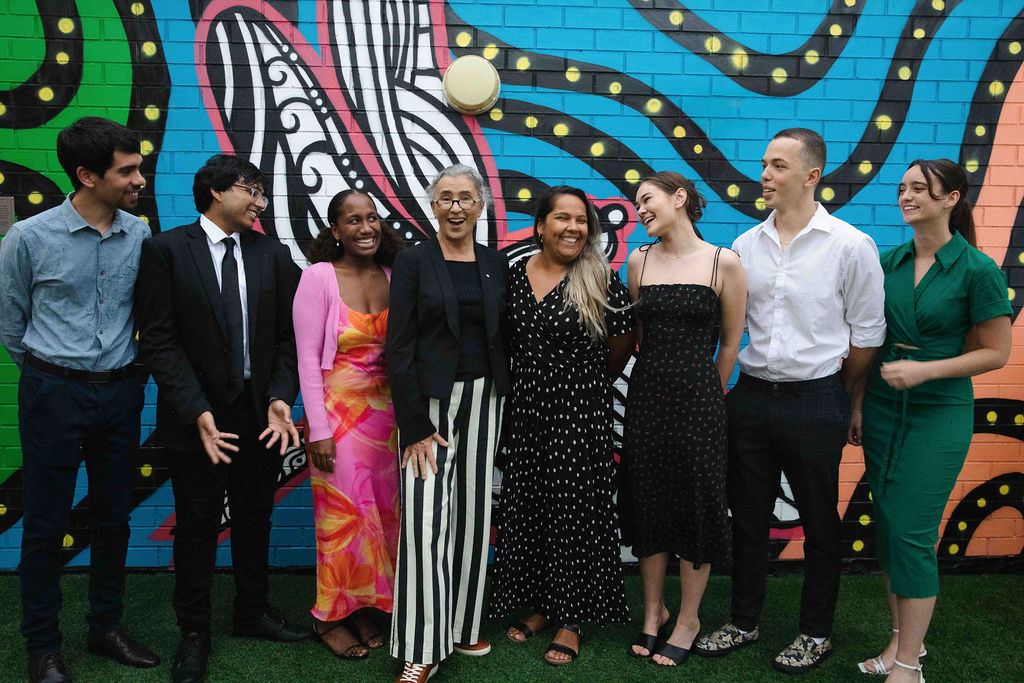
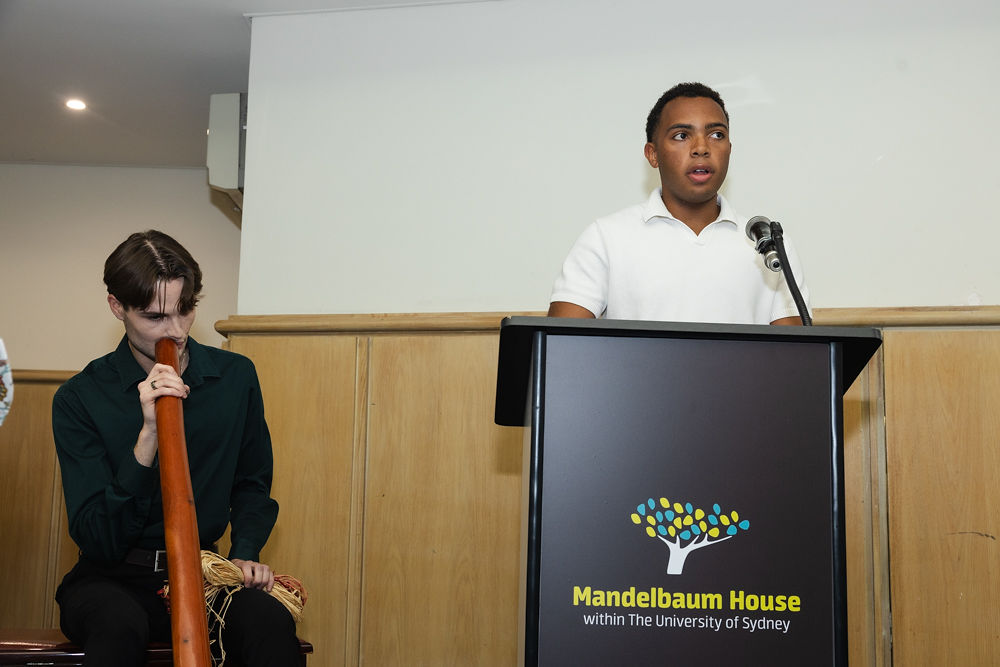
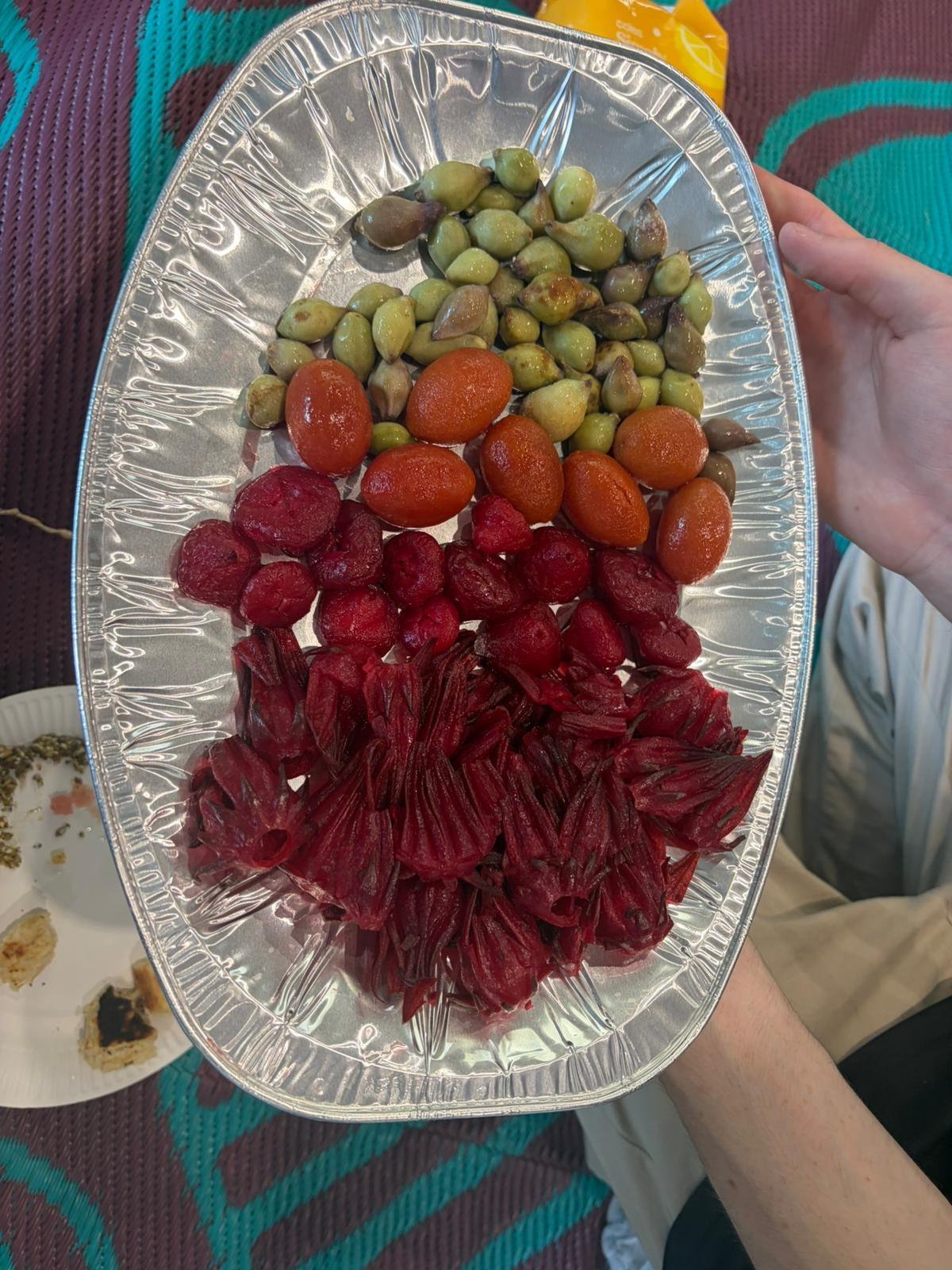
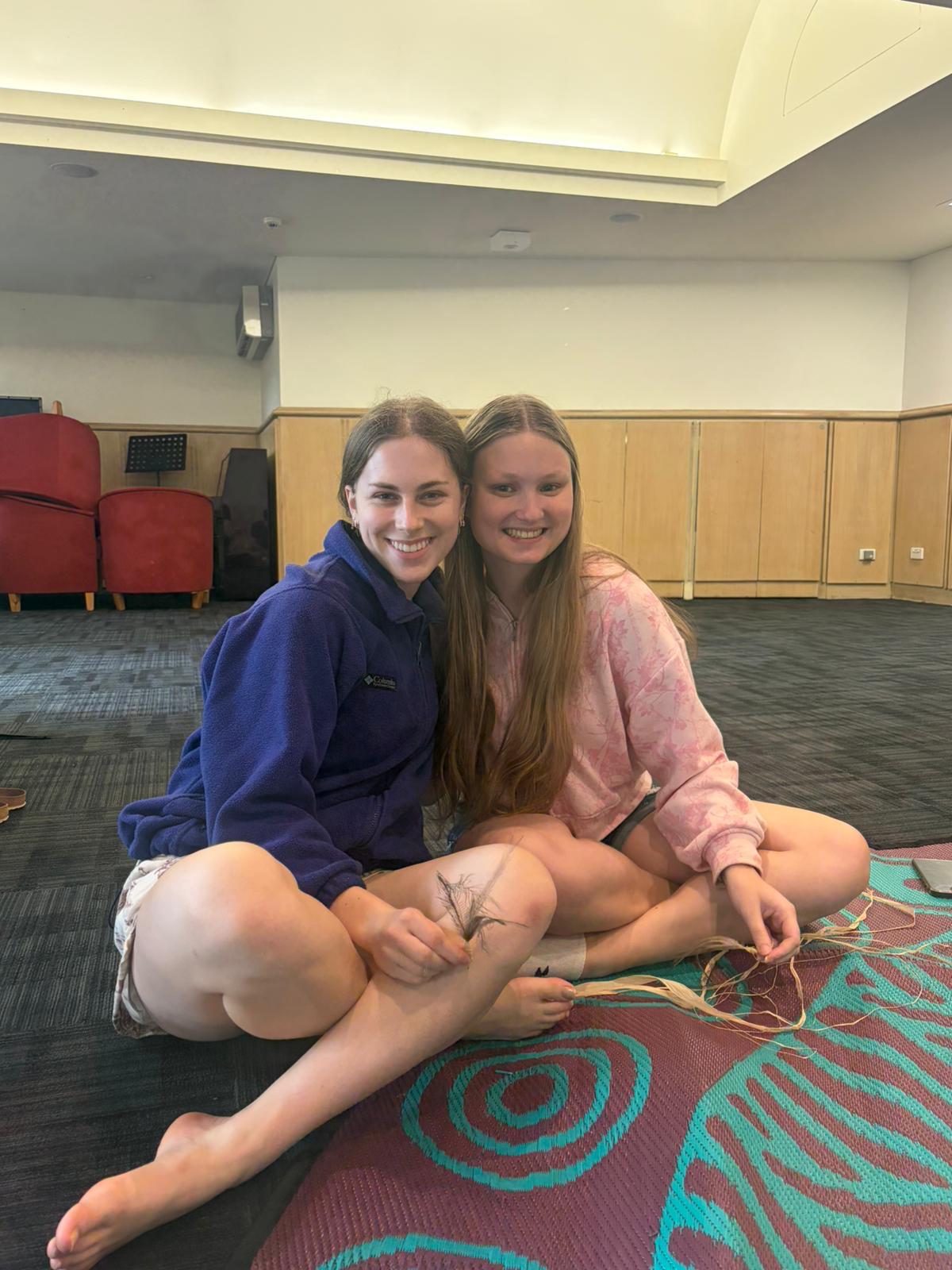
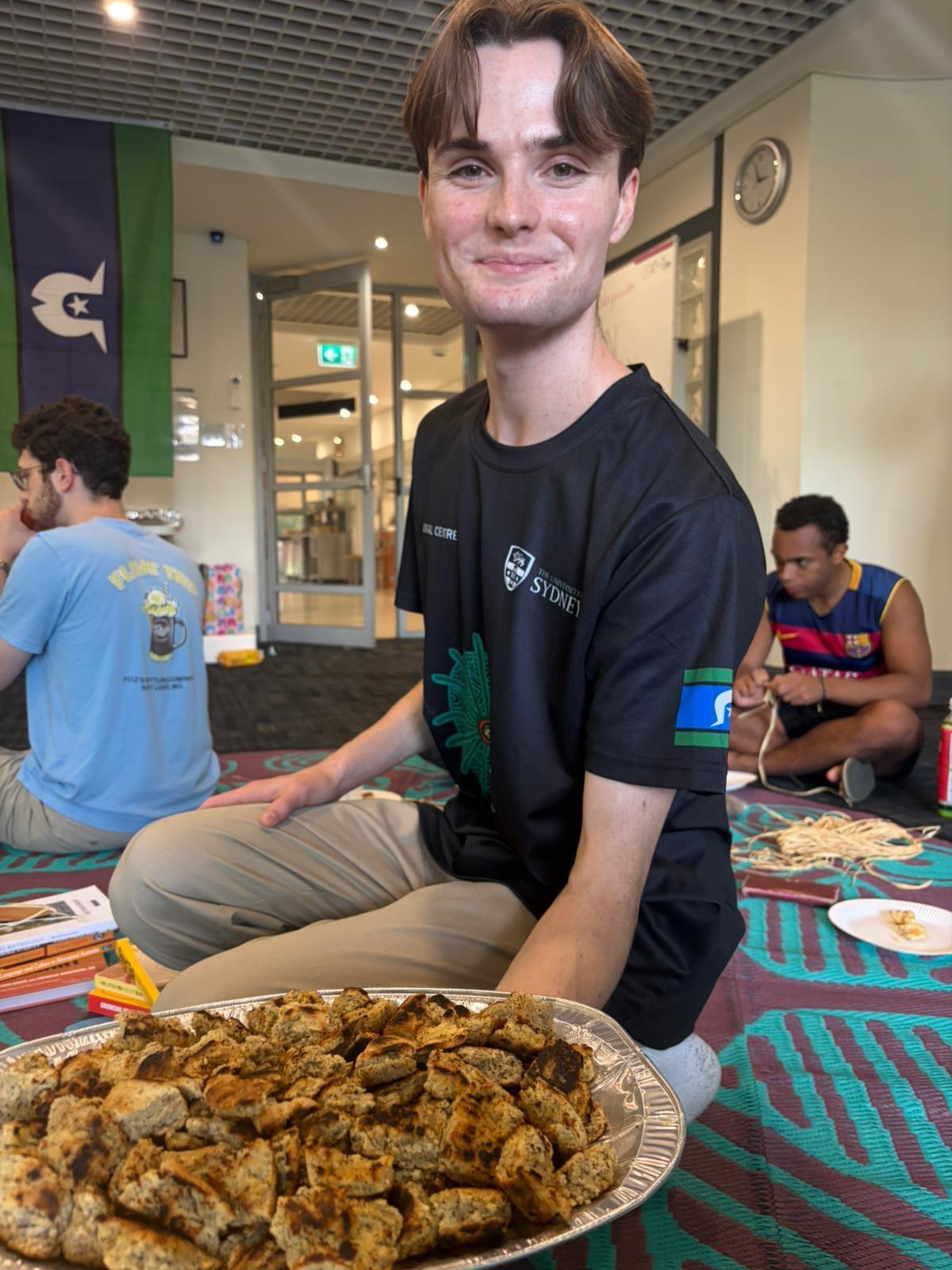
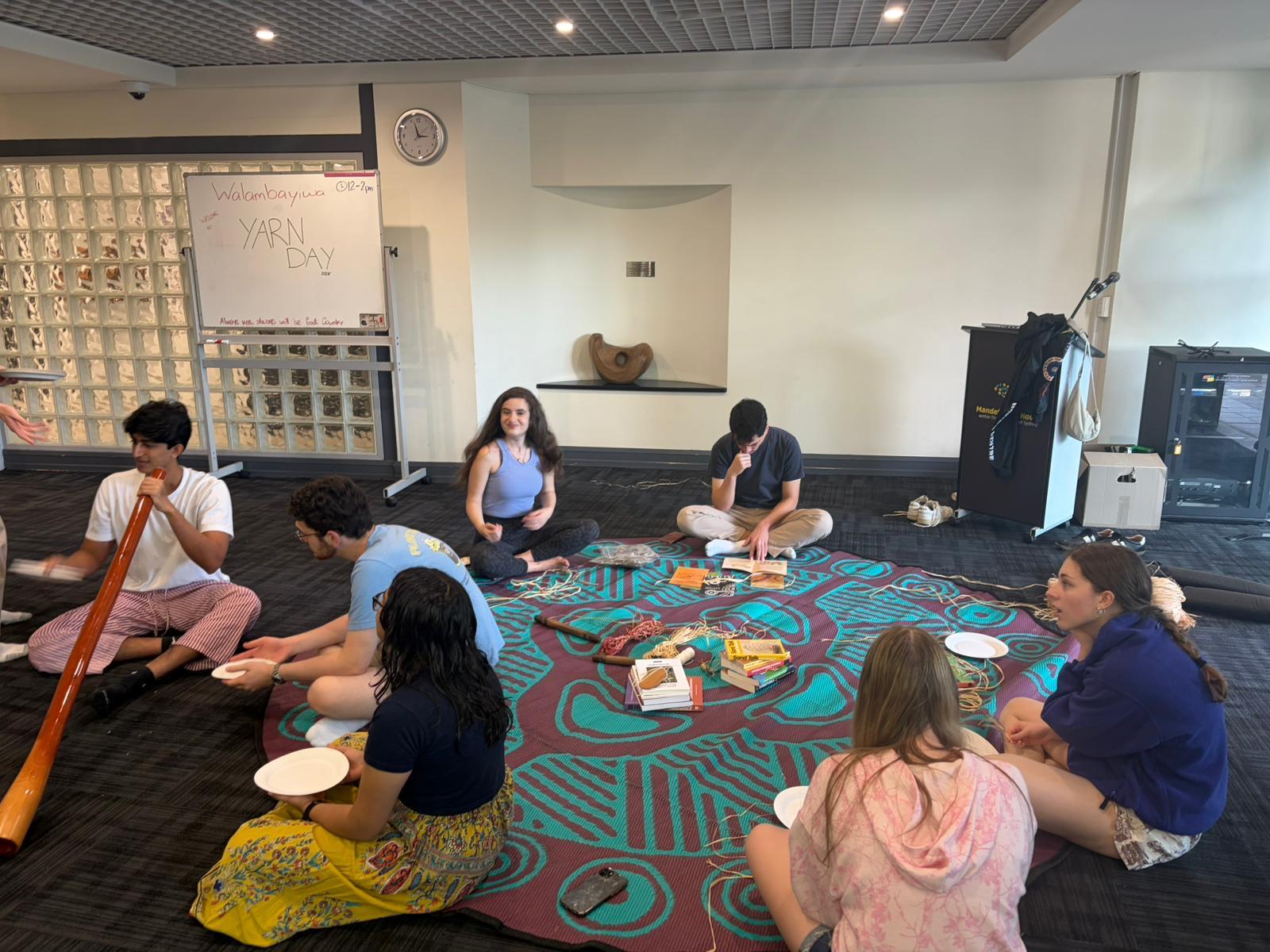
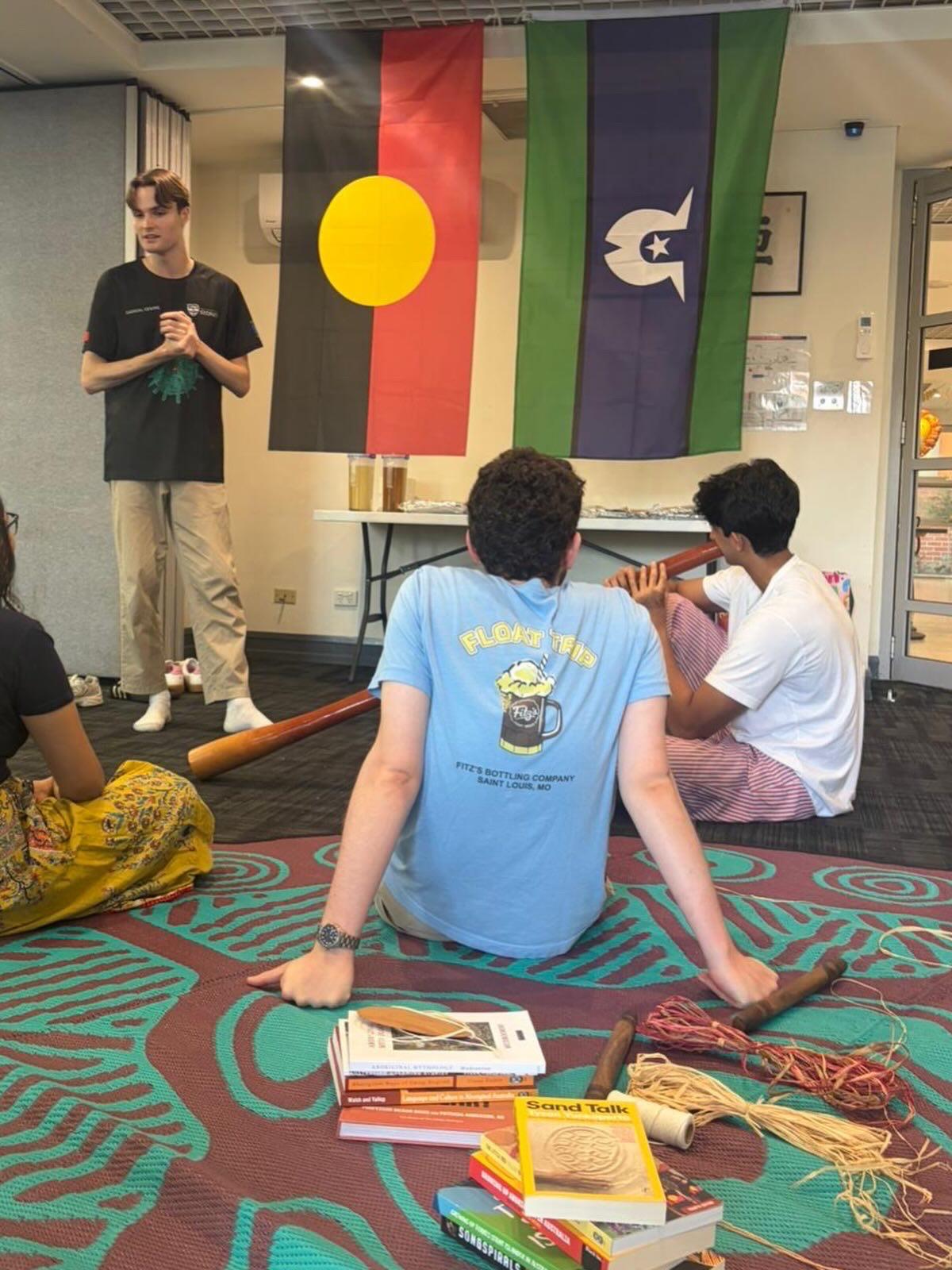
During Yarn Days and other initiatives I’ve organised, residents consistently show up in meaningful ways – whether that is helping with preparations, assisting with photos and supervision, or participating in the event itself. There is always a sense of collective encouragement: residents cheering me on, expressing gratitude, asking for repeat events, and even sharing support through social media acknowledgements.
Board members such as Danielle Jaku-Greenfield have also been instrumental in ensuring First Nations residents are genuinely supported. That support is not abstract – it is active, responsive, and grounded in care: checking in, consoling when needed, taking appropriate next steps when discomfort arises, and ensuring there are clear feedback loops so concerns are heard and addressed.
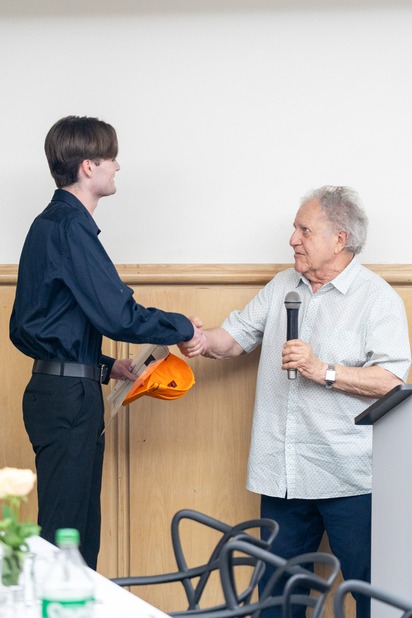
I was also honoured to receive the Ernest Friedlander OAM Outstanding Contribution Award. Recognition like this has been deeply meaningful – it affirms my efforts, strengthens my confidence, and reignites my passion, particularly during moments when it feels diminished.
Finally, I want to reflect on the idea that reconciliation can only truly be realised when mob are empowered to create meaningful, lasting change within their communities – to make seismic shifts that extend beyond symbolic recognition into lived, structural impact. While this role is only one part of a much more interconnected life I am privileged to live, it has been a profound source of empowerment in ways that are difficult to fully articulate.
This year, I have witnessed Mandelbaum House reach a record nine Indigenous students, the expansion of the Shalom Gamarada program, and a genuine shift in how non-Indigenous residents engage with cultural protocols – including Acknowledgements of Country that move beyond standardised templates into something more thoughtful, personal, and informed. I have also seen the ongoing encouragement and normalisation of the Darkinjung language across emails, speeches, and everyday communication.
These are not token gestures; they are active and living expressions of reconciliation in practice. Each of these moments, in their own way, continues to empower me to keep pushing forward and to contribute meaningfully to my community, ensuring that what is being built here extends well beyond Mandelbaum House and into the broader spaces I move through.
I hope this message demonstrates that reconciliation is not only possible, but essential. I encourage you to take something from what I have shared and carry it into National Reconciliation Week – not as a symbolic gesture, but as a genuine commitment to listening, learning, and action in your own spaces and communities.
Article by Logan Culley (Mandelbaum resident and Indigenous Resident Mentor and Representative)